
The EBRAINS Student Conference on Interdisciplinary Brain Research offers an open platform for early career researchers to exchange innovative ideas across disciplines relevant to brain research and neuroscience.
The human brain is an incredibly complex system, best understood through a blend of knowledge and practices from various scientific fields. The EBRAINS Student Conference on Interdisciplinary Brain Research offers an open platform for early career researchers to exchange innovative ideas across disciplines relevant to brain research and neuroscience. Attendees will have the opportunity to engage with the data-driven, multidisciplinary approach to brain research fostered by EBRAINS, as well as gain hands-on experience with its platform and tools. The conference promotes extensive scientific dialogue, both intra- and interdisciplinary, among peers and faculty through lectures, workshops, hands-on training, and social events. The conference will take place on-site at Château de Valrose, University Côte d’Azur, in beautiful Nice, France. Organised by the EBRAINS Education Programme and the EBRAINS Student Ambassadors.
Student
Early Bird (until 29 January 2026): 110 €
Regular (after 29 January until 25 February): 160 €
Regular
Early Bird (until 29 January 2026): 160 €
Regular (after 29 January until 25 February): 220 €
Please note: this is an on-site conference. Virtual attendance is not available.
What is included in the registration fee?
Registration to the conference includes:
- Admission to all scientific sessions
- Admission to all workshops
- Admission to welcome reception
- Conference material
- Coffee & lunch during the conference
Please note: the registration fee does not include travel or accommodation.
Payment methods
Payments can be made in Euros (€) using the following methods:
- Credit or debit card
- PayPal
- Sofort
- SEPA Direct Debit
Scientific Programme
- 12:30 - 13:30 - Registration + Welcome Coffee
- 13:30 - 14:30 - Welcome and Introduction
- 14:00 - 15:00 - Keynote I Topic: Hannah Monyer - Clinical Neurobiology
- 15:00 - 16:00 - Student Session I Topic:
- 16:00 - 16:30 - Coffee break
- 16:30 - 17:30 - Keynote II Topic: Sabine Liebscher - Neurodegeneration / Neuropathology
- 17:30 - 19:00 - Poster Session I
- 19:30 - 22:30 - Networking Session Welcome Reception
- 8:00 - 9:00 - Registration
- 08:00 - 11:30 - Workshop III - The Virtual Brain
- 9:00 - 11:30
- Workshop I - Arbor
- Workshop II - Neuromorphic computing / BrainScaleS
- 11:30 -12:00 - Coffee break
- 12:00 - 13:00 - Student Session II Topic:
- 13:00 - 14:00 - Lunch break
- 14:00 - 15:00 - Keynote III Topic: Sergii Tukaiev-Cognitive and Affective Neuroscience
- 15:00 - 16:00 - Student Session III
- 16:00 - 16:30 - Coffee break
- 16:30 - 17:30 - Keynote IV Topic: Barbora Rehák-Bučková - Neuroimaging Analysis / Neuroinformatics
- 17:30 - 19:00 - Poster Session II
- 8:00 - 9:00 - Registration
- 08:00 - 11:30 - Workshop VI - Brain Atlas
- 9:00 - 11:30
- Workshop IV - NEST
- Workshop V - Equality, Equity, Diversity, Inclusion (EEDI): How to collaborate with almost everyone
- 11:30 -12:00 - Coffee break
- 12:00 - 13:00 - Keynote V Topic: Sandra Diaz Applied & Computational Neuroscience
- 13:00 - 14:00 - Lunch break
- 14:00 - 15:00 - Student Session IV Topic:
- 15:00 - 16:00 - AMA Session - Karin Grasenick
- 16:00 - 16:30 - Coffee break
- 16:30 - 17:30 - Plenary Discussion?
- 17:30 - 18:00 - Awards & Closing
- 18:00 - 22:00 - Optional Event: Evening Social at the Pub
Workshop descriptions
Arbor is a library for simulating biophysically detailed neuron models on modern hardware. It comes with a friendly Python interface hiding its blazingly fast C++ core; scaling from laptops to at least 4000 GPUs. In this tutorial, we will show you the basics of designing detailed cell models, how to run them using Arbor, and how to grow them into larger networks. We will demonstrate how to create data driven models using the Allen Brain Atlas as an example. Arbor is free and open-source software, developed in the Human Brain Project and EBRAINS.
Target group:
Researchers interested in detailed cell models.
Expected learning outcomes:
- Participants will be be familiar with the building blocks of detailed cell models: morphologies, ion channels, and parameterisations,
- know how to use Arbor at a fundamental level and where to learn more advanced techniques,
- how to extract data from Arbor simulations and visualise results,
- how to build networks from single cell models,
- how to approach the design of a single cell models from a description and troubleshoot misbehaving models.
Workshop speakers:
Han Lu | Forschungszentrum Jülich, Jülich, Germany
Han Lu is a neuroscientist, experienced in using wet lab experiments and computer simulations to understand the rules of neural plasticity and how to harness it in treating neurological diseases with neuromodulation. She is interested in using Arbor and the co-simulation with other simulators to build multi-scale models to optimize neuromodulation parameters.
Thorsten Hater | Forschungszentrum Jülich, Jülich, Germany

Thorsten Hater is a theoretical physicist who turned into an HPC specialist and programmer and has since evolved into a neuroscientist. Starting 2020 Thorsten is a developer and maintainer of Arbor. He holds a PhD in computational fluid dynamics from the Ruhr Universität Bochum. In 2012 he joined the Jülich Supercomputing Centre and the Simulation and Data Lab Neuroscience in 2018. His interests are high performance computing, multiscale simulations, and scalable algorithms for neuroscience.
BrainScaleS-2 is a mixed-signal neuromorphic system that emulates synapse and neuron dynamics in analog circuits, while digital logic manages event communication and system configuration. Its design enables the emulation of neural networks at speeds which are around 1000 times faster than biological real time. This acceleration is particularly valuable for neuroscientific experiments requiring long time scales, extensive parameter searches, or the exploration of spiking neural networks.
In this tutorial, we will introduce the BrainScaleS-2 system and guide participants through interactive exercises using Jupyter notebooks. Attendees will gain hands-on experience programming and exploring the hardware live via the EBRAINS infrastructure.
Target group
- Researchers interested in using neuromorphic hardware alongside simulations
- Students and scientists curious about analog neuromorphic systems
Expected learning outcomes
- The fundamentals of the BrainScaleS-2 system and analog neuromorphic hardware
- How to run experiments on BrainScaleS-2 via the EBRAINS compute infrastructure
- How to define experiments using PyNN or PyTorch for BrainScaleS-2
Workshop speakers
Jakob Kaiser | Institute of Computer Engineering (ZITI), Heidelberg University, Germany
Jakob Kaiser studied physics at Heidelberg University. He did his bachelor thesis in the field of condensed matter physics before switching to neuromorphic hardware for his masters thesis. Currently he is pursuing a PhD in the Electronic Visions group which develops the BrainScaleS-2 system. He explores multi-compartmental neuron models and investigates simulation-based inference as a tool to parameterize experiments on neuromorphic hardware.
Amani Atoui| Institute of Computer Engineering (ZITI), Heidelberg University, Germany /
Amani Atoui did her bachelor in electrical and computer engineering, and her master’s in computational neuroscience. She found her research interests in studying synaptic plasticity using analog neuromorphic hardware at the Electronic Visions group at Heidelberg University. She first joined the group for her master’s thesis, and is now pursuing her PhD where she explores the advantages of running plasticity experiments on BrainScaleS-2.
Abstract
Take a guided tour through The Virtual Brain (TVB) ecosystem and discover how real patient data can be transformed into a personalized digital twin. Learn how to simulate brain dynamics and perform model fitting, leveraging the multiple entry points of the EBRAINS platform and advanced HPC techniques.
The workshop is structured in two parts:
- Conceptual Overview
- An introduction to TVB’s ecosystem with a focus on architecture, data pipelines, and modeling capabilities.
- Hands-On Exploration
- Participants will engage with TVB’s interfaces (GUI, widgets, scripting tools, or APIs) on EBRAINS to run simulations, perform model fitting, inspect results and explore practical workflows.
- Participants will launch an HPC–GPU scalable pipeline for fitting TVB biophysical models — specifically the Jansen–Rit and Larter–Breakspear models — to EEG data, making use of complexity, criticality and functional connectivity as fitting metrics, via EBRAINS at the Jülich Supercomputer Centre.
No prior experience with TVB is required — just curiosity about how computational neuroscience is shaping the future of precision medicine.
Target group
- Neuroscience and computer science background are useful but not required
- Basic familiarity with Python, Jupyter Notebook, CPU/GPUs is beneficial but not required
Expected learning outcomes
- Road from real patient to digital brain.
- Learn how to simulate with TVB.
- Introduction to advanced HPC usage for fitting.
- Discover different entry points of the EBRAINS platform for simulation and fitting.
Workshop speakers
Paula Prodan | Codemart, Romania

Paula Prodan is a Software developer at Codemart since 2015, with a strong focus on scientific software projects. She has contributed to the core The Virtual Brain (TVB) application, helped automate the preprocessing pipeline in its early stages, and briefly worked on the inversion pipelines. As a recurring speaker at TVB workshops and events, she’s even demoed TVB on a tablet — a memorable crowd favorite. In recent years, she has been deeply involved in integrating TVB within the EBRAINS infrastructure, as well as developing new tools and widgets for the platform as part of Codemart’s contributions.
Teodora Misan | Codemart, Romania

Michiel Van Der Vlag | Forschungszentrum Jülich, Germany

Michiel Van Der Vlag is a Computational scientist at the Forschungszentrum Jülich (FZJ), working in the Meta-optimization for Bio-inspired Networks team. He develops high-performance computing (HPC) solutions and GPU-accelerated methods for large-scale, whole-brain TVB simulations, optimizing bio-inspired network models. He has experience with TVB workshops, including sessions exceeding room capacity (once).
From single synapses to large-scale spiking neural network simulations with NEST and NESTML
NEST is an open-source simulator for spiking neural networks, which can capture a high degree of detail of biological network structures while retaining high performance and scalability from laptops to the most powerful supercomputers in the world [1]. It has been in development since 1995 and has grown to support a wide diversity of biophysical mechanisms, including phenomena such as synaptic plasticity, neuromodulation, electrical synapses, and astrocytes, in addition to featuring a large database of existing models, such as the large-scale cortical “PD14” model [2].
In this tutorial, we will use NEST in combination with two supporting tools: NEST Desktop for graphical network design, and NESTML [3], which generates fast simulation code for custom neuron and synapse models. These tools will be used to create a network with a dynamical balance between excitation and inhibition, which lies at the foundation of the cortical model [2]. Then, we will see how this balanced network topology can emerge from structural plasticity mechanisms in combination with a homeostatic setpoint. To complement the network tutorials, NESTML will be used to create a custom neuron model and synaptic plasticity rule that allows a network to autonomously replay learned sequences of stimuli [4].
[1] https://nest-simulator.readthedocs.org/
[2] https://microcircuit-pd14-model.readthedocs.io/en/latest/
[3] https://nestml.readthedocs.io/
[4] https://nestml.readthedocs.io/en/latest/tutorials/sequence_learning/sequence_learning.html
Target group
Researchers interested in spiking neural network simulation at the single-cell level. Basic Python programming experience required.
Expected learning outcomes
- Hands-on experience setting up a network simulation and analysing the resulting data
- Understanding how (intra)cellular mechanisms give rise to network dynamics
- How to formulate computational neuroscience models on the basis of theoretical descriptions
Workshop speakers
Charl Linssen Ir. MSc | Simulation Lab Neuroscience, Forschungszentrum Jülich, Germany; Software Engineering, Aachen University, Germany

Charl Linssen is a Research Software Engineer on NEST and NESTML spiking neural network simulation software.
Dr Sandra Diaz | Simulation Lab Neuroscience, Forschungszentrum Jülich, Germany
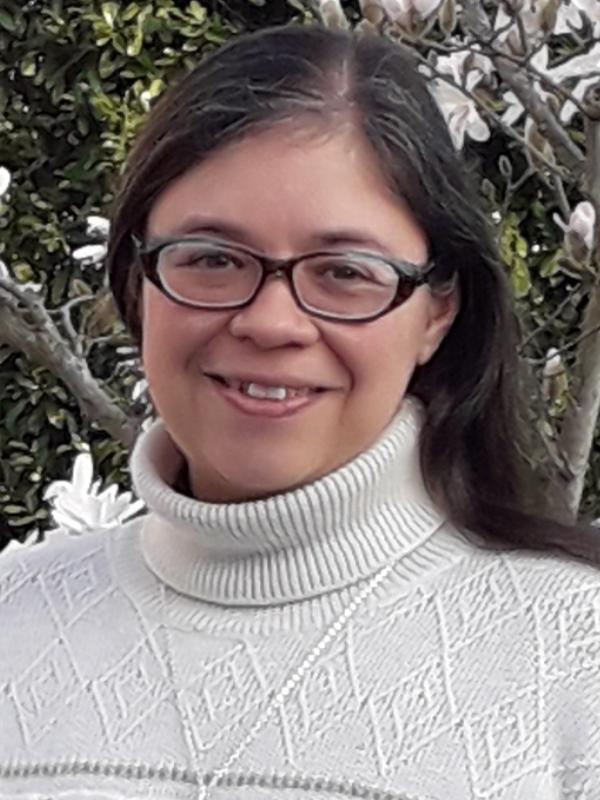
Sandra Diaz Pier was born in Mexico where she obtained a bachelor in electronic systems engineering and a masters in computer science with focus on machine learning and quantum computing. In 2014 she moved to Germany to work as graduate researcher at the Simulation and Data Lab Neuroscience (SDLN) at the Jülich Supercomputing Centre at Forschungszentrum Jülich, Germany. At the SDLN, she started working at the interface between neuroscience and high performance computing doing methodological research and providing support to domain scientists. At the same time she did her PhD in computer science which she completed in 2021. In 2023 Sandra Diaz was appointed as scientific leader of the SDLN. Her research focus is on high performance computing, simulation of brain dynamics and plasticity at different scales, and optimization.
Abstract
This workshop offers inter- and transdisciplinary methods and tools for collaborative work on projects that can also be especially beneficial for virtual collaborations:
- The integration of various disciplines, thinking patterns, experiences and work styles.
- Procedures and Tools for appreciative collaboration in heterogenous teams.
- Fair work distribution, virtual decision-making and conflict resolution.
Methods
Trigger Talks on interdisciplinary collaboration, challenges and tools; group work; case studies; individual and group reflection.
Expected Learning Outcomes
- Recognising collaborative challenges routed in the interplay of different disciplines, locations, career aspirations and cultures.
- Knowing tools that support a productive international research collaboration
- First practical experiences with applying these tools
Target audience
Everyone interested in effective international research collaborations.
Workshop Speaker
Karen Grasenick | Convelop, Austria

Dr. Karin Grasenick bridges the worlds of science, technology, and equity. With academic roots in mathematics, computer science, and a PhD in biomedical engineering, she supports universities, funding bodies, and research initiatives, particularly former FET flagship Human Brain Project and EBRAINS 2.0. As the founder of CONVELOP and a long-standing partner of Graz University of Technology, her work focuses on developing practical tools, strategic guidelines, and training programs that help research teams integrate diversity as a core dimension of collaboration and scientific excellence.
Part 1: Accessing the EBRAINS Atlases with siibra-explorer
Abstract: This hands-on session introduces the siibra-explorer as the interactive gateway to the EBRAINS atlases across species (human, macaque, rat, mouse). We will navigate high-resolution reference templates and parcellations, compare atlas versions, and discuss how multimodal brain maps (ranging from cytoarchitectonic features to connectivity, images, and gene/gene-product information) are linked to regions of interest. Participants will learn practical workflows for locating regions, inspecting their context, and assembling publication-ready, shareable views. We will also touch on how the explorer connects to other EBRAINS resources to retrieve region-specific information for analysis and reporting. By the end, attendees will be able to confidently use siibra-explorer to interrogate brain organization across scales and modalities, and to communicate findings with clear, atlas-based visuals. The workshop is designed for first-time users and will include short guided exercises and time for Q&A.
Target group: Researchers and students in neuroimaging, neuroscience, and related fields who want to use atlas-based context in their work. No coding required. Basic familiarity with neuroanatomy and common reference spaces is helpful but not mandatory.
Expected learning outcomes:
- Confident navigation of the siibra-explorer interface (search, atlas/parcellation selection, region analysis)
- Understanding of how atlas context supports analysis and reporting
- Exporting figures/screenshots suitable for presentations and publications (including quotations)
Contact person: Kimberley Lothmann / INM-1, Jülich Research Centre / ki.lothmann@fz-juelich.de
Speaker(s) / Tutor(s): Kimberley Lothmann / INM-1, Jülich Research Centre / ki.lothmann@fz-juelich.de
Bio: Dr. Kimberley Lothmann is a postdoctoral researcher at Forschungszentrum Jülich (INM-1) and a lecturer in Neuroanatomy at Heinrich Heine University Düsseldorf. Her work focuses on cytoarchitectonic brain mapping and adult neurogenesis, with methodological strengths including receptor autoradiography. Within EBRAINS 2.0 she contributes to dissemination and coordination in Work Package 1 and regularly teaches atlas-based workflows using the siibra-explorer.
Max. no. of participants: 20
Preparations:
- Bring a laptop with a recent web browser (Chrome or Firefox recommended); a mouse is helpful.
- Stable internet connection (provided by the venue).
- Create a free EBRAINS account in advance to enable saving/sharing where applicable.
- No prior attendance in another session required.
Part 2: From Atlas to Analysis: A Hands-on Introduction to siibra-python
Abstract: This coding workshop introduces siibra-python, the programmatic interface to the EBRAINS atlases. We will explore how to query atlases across species, select parcellations, look up regions by name or coordinate, and retrieve linked multimodal data (e.g., maps, tables, and metadata) for analysis. Through guided notebooks, participants will learn practical workflows for integrating atlas context into Python-based pipelines, generating reproducible results, and exporting figures and data products for publications.
Target group: Researchers, data scientists, and students who want to use Python to work with atlas-based information.
- Prerequisites: Basic Python (variables, functions, packages) and familiarity with Jupyter notebooks.
- Helpful but not mandatory: Basic neuroimaging concepts (reference spaces, parcellations) and experience with packages such as nilearn.
Expected learning outcomes:
- Install and set up siibra-python and navigate the core API.
- Select atlases/parcellations; find regions by name or MNI coordinates.
- Fetch region-linked data (e.g., probabilistic maps, annotations/metadata) and use them in analysis workflows.
- Produce shareable, reproducible notebooks and export publication-ready visuals.
Contact person = Timo Dickscheid / INM-1, Jülich Research Centre / t.dickscheid@fz-juelich.de
Speaker(s) / Tutor(s): Timo Dickscheid / INM-1, Jülich Research Centre / t.dickscheid@fz-juelich.de; Ahmet Nihat Simsek / INM-1, Jülich Research Centre / ah.simsek@fz-juelich.de; Xiaoyun Gui / INM-1, Jülich Research Centre / x.gui@fz-juelich.de
Bio: Prof. Dr. Timo Dickscheid is the founding architect and lead developer of the siibra tool suite which makes the EBRAINS atlases accessible for interactive exploration and programmatic analysis. Since October 2025, he serves as Professor of Computer Vision at the University of Koblenz and continues his research at Forschungszentrum Jülich. He teaches and supervises at the intersection of AI and neuroscience, and advocates open, shareable resources that enable transparent, atlas-based research across species, scales, and modalities. His work bridges the interface of computer vision, neuroinformatics, and large-scale biomedical imaging, with a focus on multiscale brain mapping, robust analysis of high-resolution histology, and reproducible workflows. Within EBRAINS, he contributes to the Julich Brain Atlas and multilevel, multimodal maps that link cytoarchitecture, connectivity, and function.
Max. no. of participants: 20
Preparations:
- Laptop with a recent browser and a local Python environment
- Pre-install (or be ready to install) the following: siibra, nilearn
- We will provide sample notebooks in advance
- Stable internet connection (provided by the venue).
- a free EBRAINS account for access to related services and to save/share materials where applicable.
- No prior attendance in another session required.
Confirmed Keynote Speakers
Hannah Monyer is a physician and neuroscientist, currently Helmholtz W3 Professor at the Department of Clinical Neurobiology, Medical Faculty of Heidelberg University, and at the German Cancer Research Center (DKFZ) in Heidelberg, Germany. She also heads the Department of Clinical Neurobiology at the Neurological University Hospital Heidelberg and the Interdisciplinary Center of Neurosciences (IZN), University of Heidelberg.
She studied medicine at Heidelberg University, where she also completed her MD thesis on the phenomenology of jealousy in literature and psychiatry. Following residencies in child psychiatry and pediatric neurology in Mannheim and Lübeck, she pursued postdoctoral research at Stanford University Medical Center and the University of Heidelberg.
Professor Monyer’s research focuses on the cellular and network mechanisms of the brain, with particular attention to inhibitory neurons and their role in cognition and neurodegeneration. She has received numerous awards for her work, including the Gottfried Wilhelm Leibniz Prize, membership in EMBO, and several ERC Advanced Grants. She is a member of the German Academy of Sciences Leopoldina, the Heidelberg Academy of Sciences and Humanities, and the Academia Europaea.
Keynote I: How do inhibitory neurones control neuronal networks locally and at long distance: implications in health and disease
The generation of episodic memories, that is of memories related to “what” happens “where” and “when”, depends on the intact function of the hippocampal formation. Over the past two decades, we focused on the study of a particular class of neurones, namely the inhibitory GABAergic interneurones, that control the timing of neuronal activity within neuronal networks. They can we viewed as the “directors” of an orchestra: it is the other neurones that make the music, they are the “players”, but the GABAergic interneurones control when the members of the orchestra set in to play. Thus, it is not surprising that malfunction of GABAergic interneurones results in serious impairments in the entire network which translates into deficits at the behavioural level. In the hippocampal formation, reduced recruitment of GABAergic interneurones is associated with impairments of spatial coding and spatial memory.
Until recently, the dogma held that in the cortex all GABAergic cells are “interneurones”, that is their axons are confined to the local network and hence their control is restricted to the brain area their cell bodies are located in. However, with the advent of viral tracing techniques, my lab discovered that a minority of GABAergic cells are not “interneurones” but “projection neurones”. Most interestingly, they project at long distance and control in the target areas specifically GABAergic interneurones, that is the “local orchestra directors”. Thus, GABAergic projection neurones can be considered “master cells” as they govern the activity in multiple networks. We have reason to believe that their metabolic activity is high accounting for enhanced vulnerability in certain neurodegenerative diseases. I will discuss how we study these neurones at the cellular, network and behavioural level.

Sabine Liebscher is a physician and neuroscientist, currently Professor of Systems Neurobiology and Director of the Institute of Systems Neuroscience at the Medical University of Innsbruck, a position she has held since February 2025. Before her appointment in Innsbruck, she served as W2 Professor of Cellular Neurophysiology at the Faculty of Medicine, University of Cologne, and previously led a Clinician Scientist research group while training in Neurology at the Institute of Clinical Neuroimmunology, at the University hospital Munich of the Ludwig Maximilians University (LMU) Munich, Germany.
She studied medicine at the Technical University of Dresden, where she also completed her MD thesis. In 2007, she joined the laboratory of Nobel Laureate Paul Greengard at The Rockefeller University in New York. She later earned her PhD in Neuroscience with distinction from the Max Planck Institute of Neurobiology and the LMU Munich.
In 2014, she established her independent junior research group through the prestigious Emmy Noether Programme of the German Research Foundation (DFG). Her research focuses on the pathophysiology of neurodegenerative diseases, particularly amyotrophic lateral sclerosis (ALS). She investigates how neural circuits and their components contribute to disease symptoms and drive the degenerative process. Her work integrates clinical insight with experimental neuroscience, combining in vivo two-photon imaging, single-cell transcriptomics, and viral circuit manipulation to uncover network-level mechanisms of neurodegeneration.
Keynote Lecture II: Hidden Failure: Circuit Dysfunction Beyond Cell Loss in Neurodegeneration
Neurodegenerative diseases are increasingly recognized as disorders of neural circuits rather than isolated cell death. Functional alterations in defined neuronal populations and networks often arise before overt degeneration and persist beyond it. Our work focuses on identifying such circuit-level dysfunctions to uncover early pathogenic mechanisms and new therapeutic targets.
I will present examples from amyotrophic lateral sclerosis (ALS), the most common adult-onset motor neuron disease characterized by the loss of upper and lower motor neurons. Our studies reveal persistent cortical hyperexcitability is linked to hyperresponsive pyramidal neurons in cortical layer 2/3, which provide excess glutamatergic input to upper motor neurons. We further demonstrate that noradrenergic input to the motor cortex is markedly reduced in both mouse models and ALS patients. These alterations arise before overt neuronal loss and contribute to abnormal motor output, suggesting that network dysfunction, not simply degeneration, underlies selective vulnerability. Targeting compromised circuit elements delays disease onset and progression, underscoring their pathophysiological importance.
Parallel investigations in spinocerebellar ataxia (SCA), a degenerative disorder characterized by Purkinje neuron death, also reveal profound circuit-level disruption within the cerebellar cortex. We identified hyperactive molecular layer interneurons that exert excessive inhibition onto Purkinje cells, driving their synaptic degeneration and loss. Chemogenetic suppression of these interneurons alleviates motor symptoms within minutes and extends survival in transgenic mice.
Together, these findings point to a convergent principle: defined circuit elements undergo persistent activity changes that trigger functional disconnection and network failure. By dissecting these mechanisms at the level of identified cell types and synaptic interactions, our work lays the groundwork for therapeutic strategies that target circuit dysfunction rather than rely solely on cell replacement.
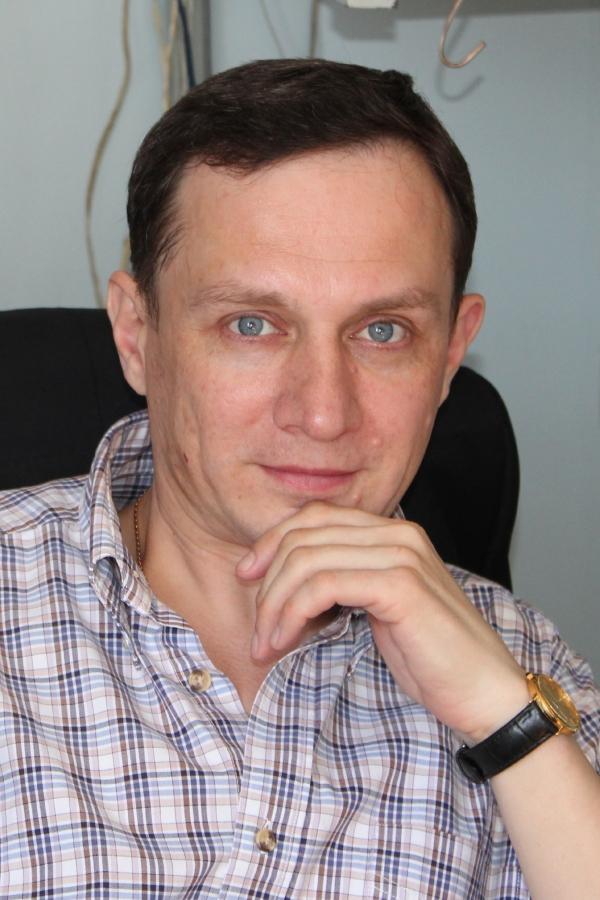
Sergii Tukaiev is involved in the study of the mechanisms of stress, including the establishment of specific biomarkers of mental and stress-related disorders, the impact of stress on cognitive processes, and the effectiveness of stress-coping methods. With more than 30 years of conducting neuroscience research across various departments and using an interdisciplinary approach, he evaluates complex problems from new perspectives, integrating insights from both the mind and the brain. His accumulated knowledge and experience are being applied to the development of a Neuro-Assistive Robotic Intellectual System and non-invasive interfaces designed to counteract stress-related disorders, restore brain functions, and improve cognitive performance. He has also served as a section editor for Stress & Health.
Keynote III: Neurophysiology of emotional burnout. Biomarkers
Burnout syndrome is one of the forms of chronic occupational stress, and develops gradually, often goes unnoticed, with symptoms that may take years to manifest and lead to significant mental and behavioral changes. There is no single view on the nature and structure of emotional burnout. Boyko's psychological construct of Emotional Burnout (EB) defines Syndrome as a mechanism of psychological defence in the form of complete or partial excluding of emotions in response to traumatic influences and includes three key stages: Anxiety Tension, Resistance, and Exhaustion. Despite its impact, the processes underlying burnout remain largely unknown due to a lack of specialized studies identifying specific biomarkers. Early detection of burnout, particularly at the critical onset of symptoms, is essential.
752 volunteers aged 18 to 26 years participated in this study. To establish EEG correlates of emotional burnout during rest state we used special software written in Python 3.6 to implement Power Spectral Density calculation, the interhemispheric and intrahemispheric average coherence and Detrended Fluctuation Analysis (DFA).
Values of normalized power spectral densities (PSD), DFA exponent, and average coherence suggest the formation of Anxiety Tension stage impacts primarily processes related to short-term memory and focused attention. The Exhaustion formation is accompanied by changes in visual and verbal processing, as well as emotional processes (such as discretion and analysis).
The obtained data on neural characteristics in burnout-ed subjects may help to understand the mechanisms of decline in cognitive function and emotion regulation and to search for adequate methods of treatment.
Barbora Rehák-Buckova is a postdoctoral researcher at the Donders Institute, where she focuses on normative modelling of cognitive scales across heterogeneous cohorts to improve prediction of schizophrenia outcomes. Her work draws on her background in artificial intelligence, statistics, and computational biology. She completed her Ph.D. at the Czech Technical University in Prague, where she developed methods for multi-modal neuroimaging data analysis. Throughout her career, she has contributed to national health initiatives in the Czech Republic and has been grateful for the support from grants such as the Fulbright Fellowship at the University of Pennsylvania.
Keynote IV: The promises and pitfalls of normative modelling in precision medicine
Normative modelling is a method that has become widely popular in neuroscience over the past decade. Owing to the ever-growing availability of neuroimaging data, the promise to parse heterogeneity and personalise inferences has become much more tangible. However, where is the field now and what should be our steps moving forward? In this talk, I will touch upon the most popular methods used for constructing cross-sectional normative models across neuroimaging modalities, their applications, limitations, and the types of inferences that should and should not be made. Furthermore, I will discuss the longitudinal aspect of normative modelling and the emerging methods for making longitudinal inferences. Yet understanding brain trajectories alone does not solve the core challenge: predicting and understanding behavioural outcomes. I will address the limitations of brain-behaviour analyses and explain why focusing on modelling the brain is not enough when our measurements of behaviour are unreliable and variable. Can normative modelling offer solutions here as well?
Sandra Diaz Pier was born in Mexico where she obtained a bachelor in electronic systems engineering and a masters in computer science. She also worked in industry as quality assurance leader and as software developer for several years. In 2011 she moved to Ontario, Canada to get a second masters in electrical engineering. In 2014 she moved to Germany to work as graduate researcher at the Simulation and Data Lab Neuroscience (SDLN) at the Jülich Supercomputing Centre at Forschungszentrum Jülich, Germany. At the SDLN, she started working at the interface between neuroscience and high performance computing doing methodological research and providing support to domain scientists. At the same time she did her PhD in computer science which she completed in 2021. In 2023 Sandra Diaz was appointed as scientific leader of the SDLN. Her research focus is on high performance computing, simulation of brain dynamics and plasticity at different scales, and optimization. She has participated in several EU projects including the Human Brain Project (HBP), Virtual Brain Cloud, eBrain Health, EBRAINS 2.0 and Virtual Brain Twin. She is an active collaborator in the technical development and education programme of the EBRAINS research infrastructure. She is contributor to open source codes like the NEST simulator (https://github.com/nest/nest-simulator), The Virtual Brain (https://github.com/the-virtual-brain), and L2L (https://github.com/Meta-optimization/L2L).
Keynote V: Using high performance computing to optimize brain models across scales
Scientists use mathematical models to study the brain at at different spatial and temporal scales, from the molecular level to the whole brain, from ion channel dynamics to cognitive function. These mathematical models are usually highly under-constrained and optimization their parameters is required to make them fit experimental observations and produce useful insight. In this talk I will present a set of scientific use cases where we have used scalable methods on high performance computing systems to optimize models in neuroscience research. The use cases include models from single cells, neural networks and whole brain models as well as spiking neural networks embedded in simulated agents. I will show how supercomputing can be used to accelerate parameter explorations and model optimization, promoting a more rigurous parametrization of models by understanding their statistical variability.
Conference Chairs:
- João Miguel Alves Ferreira | University of Coimbra
- Sinovia Fotiadou | Forschungszentrum Jülich
Programme Committee:
- João Miguel Alves Ferreira | University of Coimbra
- Arturo Cabrera-Vazquez | Centre Inria de l'Université Grenoble Alpes
- Gabriele Casagrande | Aix-Marseille University
- Sourin Chatterjee | Aix-Marseille University
- Alexey Chervonyy | Heinrich-Heine-Universität Düsseldorf
- Cassandra Dumas | Paris Brain Institute - ICM
- Nataliia Fedorchenko | Forschungszentrum Jülich
- Sinovia Fotiadou | Forschungszentrum Jülich
- Daniela Janeva | Aix-Marseille University
- Carmen Lupascu | National Research Council
- Hannah Mohr | Forschungszentrum Jülich
- Margherita Premi | Politecnico di Milano
- Giacomo Preti | Aix-Marseille University
- Gregorio Rebecchi | Université Côte d’Azur
- Alisha Reinhardt | Heinrich-Heine-Universität Düsseldorf
- Eva Vytvarová | CEITEC - Applied Neuroscience Group
- Alper Yegenoglu | University of Paderborn
- Ekaterina Zossimova | Forschungszentrum Jülich
Local Host:
- Patrica Reynaud-Bouret | Université Côte d'Azur
- Ingrid Bethus | Université Côte d'Azur
- Chloé Bourgeois | Université Côte d'Azur
Frequently Asked Questions
Do you have any questions about the event? Make sure to visit our FAQ page.
Organiser
EBRAINS Education Team | Medical University Innsbruck
Contact
Venue
Université Côte d'Azur
Château de Valrose
28 Av. Valrose,
06100 Nice
France
Event Details

Create an account
EBRAINS is open and free. Sign up now for complete access to our tools and services.